Pants Sizing Guide: A Comprehensive Overview (Updated 02/06/2026)
Navigating pants sizes can be tricky, with variations across brands and styles like nylon, racing, and leather. Accurate waist and inseam measurements are crucial for a comfortable fit,
especially when shopping online.
Understanding the Basics of Pants Sizing
Pants sizing isn’t a universally standardized system; it’s a complex interplay of waist, hip, and inseam measurements, often differing significantly between manufacturers. Unlike a simple numerical progression, sizes can fluctuate, meaning a size 32 in one brand might not equate to the same fit in another. This inconsistency stems from varied cutting techniques and target demographics.
Fundamentally, pants sizing aims to reflect body measurements, not garment dimensions. Therefore, accurate self-measurement is paramount. Waist measurement is typically taken at the narrowest part of your torso, while hip measurement (crucial for women’s pants) is taken at the fullest point. Inseam, the length from the crotch to the hem, determines the pant’s overall length.
Understanding ‘rise’ – low, mid, or high-waisted – also impacts fit. A lower rise sits below the natural waist, requiring a different measurement approach. Furthermore, consider the style of pants; racing or leather pants may have a more fitted cut than standard styles, influencing size selection. Always consult specific brand size charts, as they provide the most accurate guidance for their particular garments.
Men’s Pants Sizing: Waist Measurements
For men, determining the correct waist size is the foundational step in finding well-fitting pants. This measurement is typically taken around the natural waistline – the narrowest part of your torso, usually just above your belly button. Use a flexible measuring tape, ensuring it’s snug but not constricting. Breathe normally during measurement; avoid sucking in your stomach or expanding your chest.
Standard men’s waist sizes generally range from 28 inches to 44 inches, and beyond, often extending to 4XL. However, remember that these are nominal sizes and can vary. If your waist measurement falls between sizes (e.g., 32.5 inches), it’s generally advisable to size up, particularly if the pants have minimal stretch.
Consider the style of the pants. Racing or fitted nylon pants may require a more precise measurement, potentially sizing down if you prefer a streamlined fit. For standard cuts, a comfortable fit is key. If a brand’s size chart suggests a size that feels too tight, always opt for the larger size. Remember to check brand-specific charts, as a size 34 can differ significantly between them.
Women’s Pants Sizing: Waist and Hip Measurements
Accurately sizing women’s pants requires both waist and hip measurements, as these significantly impact fit and comfort. Begin with the waist, measuring around the narrowest part of your natural waistline, typically above the belly button. Maintain a relaxed posture and breathe normally during measurement.
Next, measure your hips at the fullest point, ensuring the measuring tape is level all around. This is crucial, as hip size dictates how the pants will drape and fit through the thighs and seat. Women’s sizes typically range from 0 to 24W, but variations exist.
Unlike men’s sizing, which primarily focuses on the waist, women’s pants often incorporate hip measurements into the size designation. If your hip measurement is larger than your waist measurement, prioritize the hip size when selecting pants. For styles like racing or fitted nylon pants, precise measurements are even more important. Always consult the specific brand’s size chart, as sizing can differ considerably.
Inseam Measurement: Finding Your Perfect Length
Determining your inseam is vital for achieving the correct pant length, impacting both appearance and comfort. The inseam is measured from the crotch seam down to the bottom of the leg, along the inside of the leg. The most accurate method involves measuring a pair of pants that already fit you well. Lay the pants flat and measure along the inseam.
Alternatively, you can measure your body’s inseam. Stand with your feet shoulder-width apart and wear the shoes you typically wear with pants. Have someone measure from your crotch to the floor, or to where you want the pants to fall on your shoe.
Inseam lengths vary, commonly ranging from 28 to 36 inches, with half-inch increments. Consider the style of pants; racing or fitted styles may require a more precise inseam than relaxed-fit options. Leather pants, in particular, often have limited adjustability, making accurate inseam measurement essential. Remember, alterations are possible, but accurate initial measurement minimizes the need.
Standard Pants Sizes: Numerical vs. Letter
Pants sizing utilizes both numerical and letter designations, often causing confusion. Numerical sizing typically refers to waist measurements in inches. For example, a size 32 indicates a 32-inch waist. However, this isn’t always a direct correlation, as “vanity sizing” can occur, where brands adjust sizes to appear smaller.
Letter sizes (XS, S, M, L, XL, etc.) are more generalized and less precise. They are frequently used for broader size ranges and can vary significantly between brands. A size Large in one brand might fit differently than a Large in another. These are often used alongside numerical waist sizes for a more comprehensive fit;
For men, standard sizes generally range from XS to 4XL, while women’s sizes can extend further. It’s crucial to consult specific brand size charts, as sizing conventions differ. When purchasing online, prioritize numerical waist measurements and carefully review the brand’s size guide. Understanding this distinction helps avoid incorrect purchases and ensures a better fit.
Decoding Size Charts: Brand Variations
One of the biggest challenges in pants sizing is the inconsistency between brands. Each manufacturer often employs its own unique size chart, meaning a size 32 in one brand may not equate to the same fit in another. This stems from differing design philosophies, target demographics, and manufacturing tolerances.
Therefore, relying solely on your usual size is risky. Always consult the specific brand’s size chart before making a purchase, especially when shopping online. These charts typically provide detailed measurements for waist, hips, and inseam, allowing for a more accurate comparison to your body measurements.
Pay close attention to whether the chart lists garment measurements or body measurements. Garment measurements refer to the actual size of the pants, while body measurements are the sizes you should take of yourself. If your waist falls between sizes, it’s generally recommended to size up, particularly if the pants have minimal stretch. Careful decoding of these charts is essential for a successful fit.
Waist Size Considerations: When to Size Up
Determining the correct waist size isn’t always straightforward. If your measurement falls directly on a size boundary, or if the pants lack significant stretch, opting to size up is often the wiser choice. A slightly larger waist can be more easily tailored down for a perfect fit, whereas attempting to expand a pair of pants that are too small is far more challenging.
Consider the rise of the pants – low, mid, or high-waisted. Lower-rise pants typically sit on or below the hips, requiring a more precise waist measurement. Higher-rise pants offer more leeway, as they sit at or above the natural waist. Also, account for how snugly you prefer your pants to fit. If you prefer a relaxed fit, adding an inch or two to your measurement is advisable.
If a brand’s size chart indicates a waist measurement of 102 or 108 when your actual waist is 105, choosing the larger size is recommended. Prioritizing comfort and the ability to adjust the fit is key to avoiding frustrating returns and ensuring a satisfying experience.
Hip Size Importance: Especially for Women’s Pants
For women’s pants, hip measurement is as crucial as waist size, often even more so. Unlike waist measurements, which can be somewhat flexible depending on rise and style, hip size directly impacts the fit through the seat and thighs. Ignoring hip measurements can lead to pants that are either too tight, restricting movement, or too loose, appearing ill-fitting and unflattering.
Accurately measuring your hips is essential. Stand with your feet together and measure around the fullest part of your hips and buttocks, ensuring the measuring tape is level. This measurement, combined with your waist size, provides a more complete picture of your body shape and helps determine the appropriate pant size.
Different pant styles – such as wide-leg, skinny, or bootcut – will also influence how hip size affects the fit. Pants with a closer fit through the hips and thighs require a more precise measurement. Always consult the brand’s specific size chart, as hip measurements can vary significantly between manufacturers. Prioritizing a comfortable and flattering fit requires careful attention to hip size.
Pants Sizing for Different Styles: Racing, Nylon, Leather
Pants sizing isn’t uniform across all materials and styles. Racing pants, often designed for performance and a close fit, typically run smaller and prioritize flexibility. Nylon pants, frequently used for athletic or casual wear, may offer more stretch, allowing for a slightly wider range of comfortable sizes, but still require accurate waist measurement.
Leather pants present a unique sizing challenge. Leather has limited give, so a precise fit is paramount. They often require sizing up, especially if you prefer to layer clothing underneath. Waist measurements are critical, but consider the cut – a slim-fit leather pant will demand a closer measurement than a relaxed style.
Always consult the specific size chart for the brand and style you’re considering. Variations exist even within these categories. If your waist falls between sizes, it’s generally recommended to size up, particularly with leather or racing pants. Remember to factor in any desired layering when determining your ideal size.
International Pants Sizing Conversions
Pants sizes differ significantly across international standards, creating confusion for shoppers. US sizes aren’t directly equivalent to European, UK, or Asian sizes. A US size 32 waist, for example, doesn’t translate directly to a corresponding size in another region.
European sizes generally run larger than US sizes. A US size 32 waist might equate to a European size 42 or 44, depending on the brand. UK sizes are often similar to European sizes, but with slight variations. Asian sizes, particularly those from China, tend to run considerably smaller, often requiring adding several inches to the waist measurement.
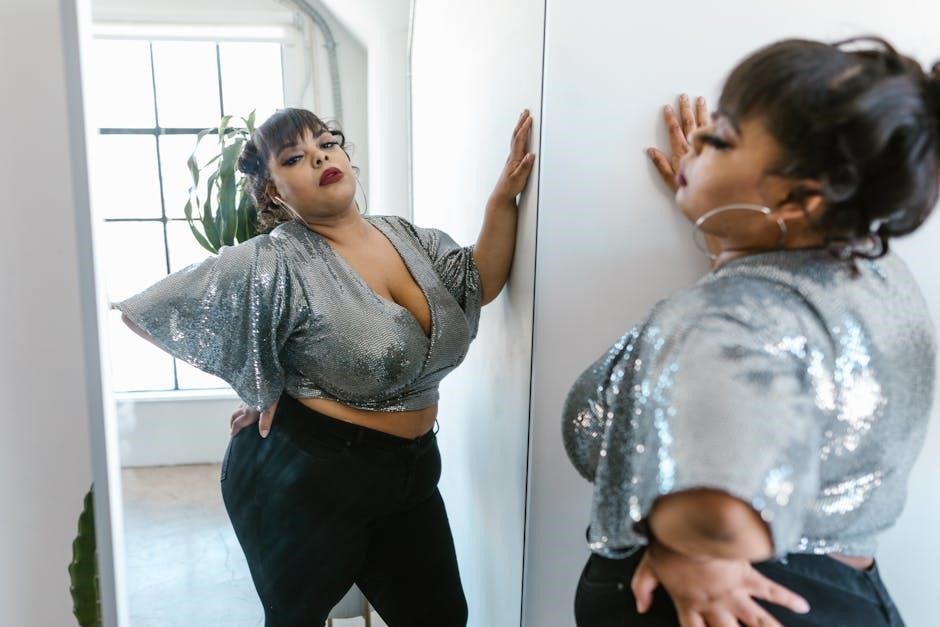
Always refer to a reliable conversion chart when purchasing pants from international retailers. Brand-specific charts are even more accurate, as sizing can vary within a region. Don’t assume a direct conversion; instead, focus on the actual waist measurement in inches or centimeters. Careful conversion ensures a better fit and reduces the likelihood of returns.
Children’s Pants Sizing: Age and Measurement Based
Children’s pants sizing presents unique challenges due to rapid growth spurts. While age-based sizing charts exist (e.g., 2T, 3T, size 4), relying solely on age is unreliable. Measurements are paramount for an accurate fit, as children of the same age can vary significantly in size.
Essential measurements include waist and inseam. Measure the child’s waist at the natural waistline, ensuring the tape measure is comfortably snug. For inseam, measure from the crotch down to the desired pant length. Always measure while the child is standing.
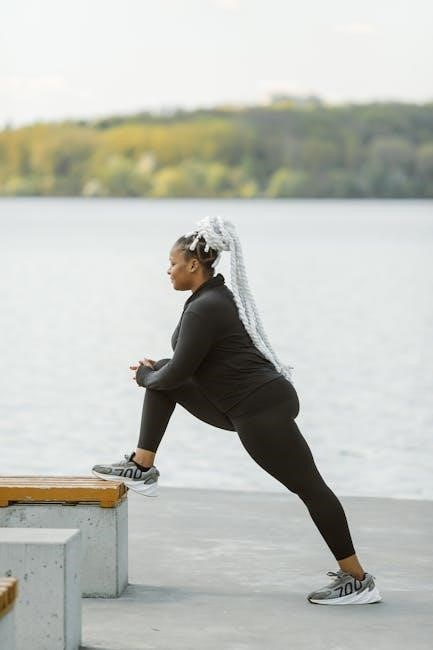
Children’s sizes often overlap, and brands differ in their sizing standards. A size 5 in one brand might fit differently in another. Consider the child’s build – a slimmer child might need a smaller size than a more robust one. Allow for growth; slightly larger pants can be adjusted with an elastic waistband or cuffs. Prioritize comfort and freedom of movement.
Troubleshooting Fit Issues: Too Tight or Too Loose
Even with careful measurements, pants may sometimes fit poorly. If pants are too tight, particularly in the waist, consider sizing up. Check for discomfort when sitting or moving; restriction indicates a poor fit. Tightness can also stem from fabric lacking stretch – opting for materials with some give can alleviate this.
Conversely, if pants are too loose, a belt can often provide a quick fix. However, excessive looseness in the hips or thighs suggests the pants are fundamentally the wrong size. Alterations, such as taking in the waist or adjusting the leg width, can create a more tailored fit.
Remember that different styles (racing, nylon, leather) may have varying fits. A slim-fit racing pant will naturally feel snugger than relaxed-fit chinos. Always prioritize comfort and functionality. If alterations are costly or impractical, exchanging for a better size is often the most effective solution.
Measuring for Online Pants Purchases
Buying pants online requires extra diligence in measurement. Unlike in-store shopping, you can’t try them on! Use a flexible measuring tape and, ideally, have a friend assist for accuracy. Start with your waist: measure around your natural waistline, keeping the tape comfortably loose, not tight.
Next, determine your inseam. Measure from your crotch to the bottom of your ankle, wearing shoes similar to those you’ll pair with the pants. For hip measurement (crucial for women’s pants), measure around the fullest part of your hips;
Always consult the specific brand’s size chart, as sizing varies considerably. Don’t assume your usual size will fit. Pay attention to whether the chart requests body measurements or garment measurements. If unsure between sizes, it’s generally safer to size up, as alterations are easier than trying to expand too-small pants.
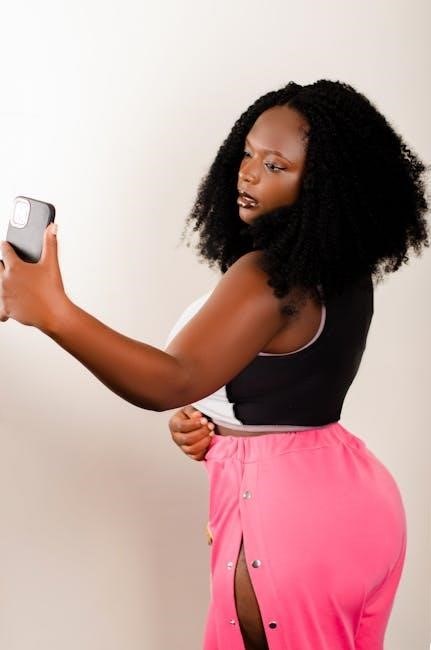
Understanding Rise: Low, Mid, and High-Waisted Pants
Pants “rise” refers to the distance from the crotch seam to the top of the waistband, significantly impacting fit and comfort. Low-rise pants sit below the natural waist, often around the hips, offering a more casual, trendy look. These generally require more precise sizing to avoid discomfort or gapping.
Mid-rise pants are the most versatile, landing around the belly button. They suit various body types and offer a balance between comfort and style. Standard sizing usually works well with mid-rise styles.
High-waisted pants sit at or above the natural waist, creating a longer leg line and defining the waist. These often require a slightly larger waist size, as they sit higher up. Consider your torso length when choosing high-waisted pants; a longer torso may benefit from a higher rise. Always check the product description for specific rise measurements.
Resources for Accurate Pants Sizing Information
Finding reliable pants sizing information is crucial for a successful purchase, especially online. Brand websites are the primary source, offering detailed size charts specific to their garments. Always prioritize these charts over generic sizing guides.
Retailer websites often provide customer reviews, which can offer valuable insights into how a particular style or brand fits. Pay attention to comments regarding sizing accuracy – do customers recommend sizing up or down?
Dedicated clothing size conversion websites can assist with international size conversions, ensuring you select the correct size when ordering from overseas retailers. However, remember these are general guidelines.
Many brands now offer virtual fitting tools or augmented reality apps, allowing you to “try on” clothes virtually. Utilize these resources when available. Finally, don’t hesitate to contact customer service for personalized sizing advice; they can often provide specific recommendations based on your measurements.