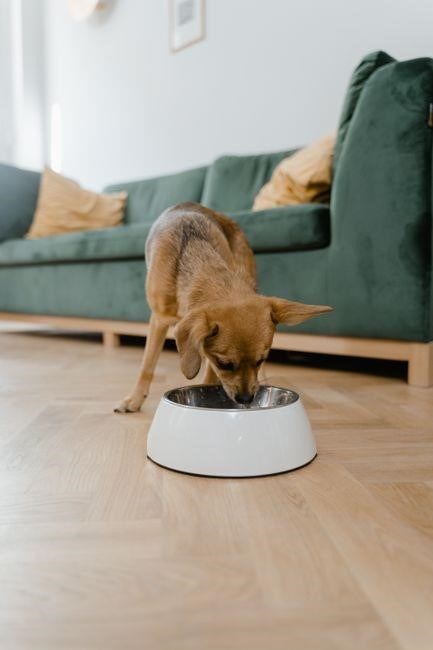
Harringtons Puppy Food offers balanced nutrition with real meat, essential vitamins, and DHA for brain development․ Designed for growing pups, it supports healthy joints, strong immunity, and a shiny coat․ Follow the feeding guide for optimal growth․ Smooth transition from milk to solids for pups Daily

Nutrition Basics for Puppies
Puppies need high protein, moderate fat, and essential minerals for growth․ Balanced calories support energy, while calcium and phosphorus aid bone development․ Hydration is vital; fresh water should be available at all times․ Follow the guide for healthy pups․!!!!
Key Nutrients in Harringtons Puppy Formula
Harringtons Puppy Formula is engineered to meet the rigorous demands of a growing dog․ The primary protein source is real turkey or chicken, delivering 20‑25 % protein by weight, which fuels muscle development and supports immune function․ Fat content sits at 10‑12 %, providing essential fatty acids, especially omega‑3 and omega‑6, that promote a glossy coat and healthy skin․ DHA, an omega‑3 fatty acid, is added at 0․2 % to support neurological growth and visual acuity․ Calcium and phosphorus are balanced at a 1․2:1 ratio, ensuring proper bone mineralization without over‑loading the kidneys․ Vitamin E and selenium act as antioxidants, protecting cells during rapid growth․ The formula also contains prebiotic fibers, such as inulin, to encourage a healthy gut microbiome and improve nutrient absorption․ Finally, a blend of B‑vitamins—B1, B2, B6, and B12—supports energy metabolism and nervous system health․ Together, these nutrients create a comprehensive diet that supports robust growth, strong immunity, and long‑term health for puppies of all breeds․ Regular monitoring of weight and body condition score ensures the puppy stays on track․ Adjust portions gradually if growth stalls or accelerates․ A balanced diet also reduces the risk of dental plaque and supports healthy digestion throughout the puppy’s life span․ Providing fresh water at all times and avoiding over‑feeding treats keeps the puppy’s metabolism balanced and prevents obesity․ Remember to consult your vet for personalized advice daily․!!
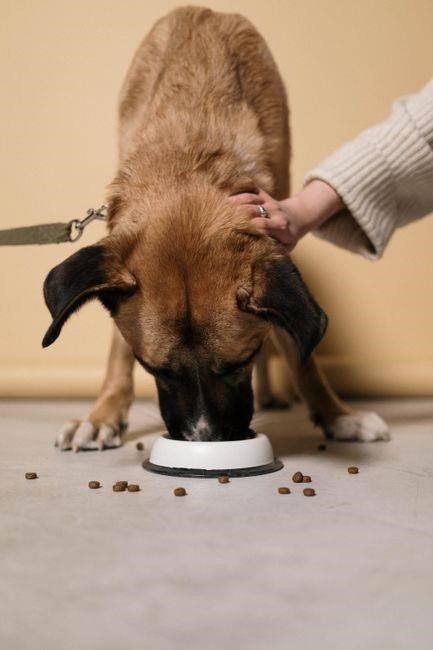
Age‑Specific Dietary Needs
Age‑specific feeding is crucial for puppies․ The Harringtons Puppy Formula is tailored to the distinct stages of growth: 0‑4 weeks, 4‑12 weeks, 3‑6 months, and 6‑12 months․ For the first month, the diet must be highly digestible, with 18‑20 % protein and 12‑14 % fat to support rapid tissue development․ The formula’s real meat base and added DHA help brain and eye maturation․ Between 4 and 12 weeks, the protein level rises to 22‑24 % and fat to 15‑17 %, providing energy for increased activity and joint formation․ At 3‑6 months, puppies enter a lean‑muscle phase; protein remains high (23‑25 %) while fat drops slightly to 13‑15 % to prevent excess weight gain․ Calcium and phosphorus ratios are adjusted to 1․2:1 to match bone growth rates․ From 6‑12 months, the diet shifts toward a maintenance profile: protein 20‑22 %, fat 12‑14 %, and the same calcium‑phosphorus balance․ Throughout all stages, the formula contains a prebiotic blend to support gut health and a B‑vitamin complex for energy metabolism․ Feeding portions should be calculated by weight and adjusted as the puppy’s growth curve changes․ Regular veterinary checks help fine‑tune the diet and ensure the puppy remains at an ideal body condition score․ Consistency in feeding times and gradual transitions between formula changes prevent digestive upset and promote steady growth․ By monitoring body condition and adjusting portions, owners can prevent obesity and ensure optimal growth․ Always keep fresh water available and consult your vet for any dietary concerns․ daily․ and exercise․

Choosing the Right Harringtons Puppy Food
Select the right Harringtons Puppy Food by considering your pup’s size, breed, and activity level․ Choose a formula with real meat, balanced protein, and added DHA․ Check the label for age‑appropriate portions and consult your vet for guidance․ Tailor portions to weight and growth rate for balanced nutrition․ daily
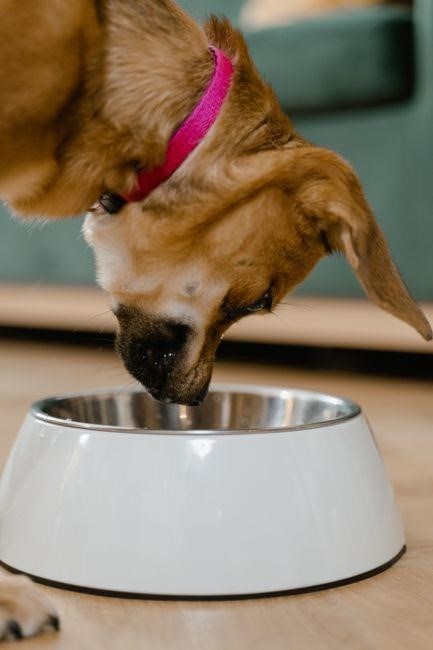
Flavor Options (Turkey, Chicken, etc․)

Harringtons Puppy Food offers a variety of flavors to keep your pup excited about mealtime․ The turkey line features 100% real turkey as the first ingredient, paired with wholesome grains and a blend of vitamins to support rapid growth․
The turkey line features 100% real turkey as the first ingredient, paired with wholesome grains and a blend of vitamins to support rapid growth․
The chicken formula uses premium chicken for a familiar, easily digestible protein source, enriched with omega‑3 fatty acids for healthy skin and coat․
For adventurous pups, the beef option delivers lean beef and a touch of sweet potato for natural sweetness․
Lamb lovers can enjoy the lamb and barley mix, which provides a hypoallergenic protein alternative and promotes calm digestion․
A fish variety, containing salmon and cod, offers high omega‑3 content that boosts brain development and joint health․
Each flavor is crafted with the same commitment to balanced nutrition, ensuring that regardless of taste preference, you receive the essential nutrients needed for healthy growth and active play․
Rotate flavors every few weeks to prevent taste fatigue and to expose your pup to a range of nutrients․
Always check the ingredient list for fresh, human‑grade meats and avoid artificial additives․
Remember to adjust portions as your puppy grows, keepwater fresh Regular vet check‑ups help track weight and health, ensuring the diet remains appropriate․ Enjoy the bonding moments over a tasty bowl of Harringtons Puppy Food․
Texture & Moisture Levels for Different Breeds
Choosing the right texture and moisture level is essential for puppies of all sizes․ Small breeds, such as Chihuahuas or Toy Poodles, benefit from a finer kibble that is easily masticated and a slightly higher moisture content to aid digestion and prevent constipation․ Medium‑sized dogs like Beagles or Cocker Spaniels thrive on a medium‑crisp texture that offers a satisfying crunch while still maintaining enough moisture to keep the food palatable․ Large breeds, such as Labrador Retrievers or German Shepherds, require a coarser texture that supports strong jaw muscles and a lower moisture level to reduce the risk of food becoming too soggy and causing digestive upset․ Giant breeds, such as Great Danes or Saint Bernards, need a very dense, high‑moisture formula that is easy to chew and helps maintain hydration during rapid growth․ The kibble size for small breeds typically ranges from 5 to 7 mm, while large breeds may use 10 to 12 mm pieces to provide adequate chewing resistance․ Moisture content for wet formulas usually falls between 75% and 85%, whereas dry kibble contains 10% to 12% moisture․ For puppies with sensitive stomachs or food allergies, a grain‑free, wet‑food texture can be an excellent option, providing a soft, moist consistency that is gentle on the gut․ Additionally, a transition from dry to wet food should be gradual, mixing a small amount of wet food with dry kibble over a week to acclimate the puppy’s digestive system․ Owners can adjust moisture by adding a splash of water or broth to dry kibble, especially during hot weather or after intense play․ Always monitor your puppy’s stool consistency; a well‑balanced texture will result in firm, well‑formed stools, while too much moisture can lead to loose stools, and too little can cause hard, dry stools․ When selecting a texture, consider the puppy’s chewing ability, breed size, and any specific health concerns, such as dental issues or gastrointestinal sensitivity․ Consulting with a veterinarian can help determine the ideal texture for puppies with dental issues, ensuring the food is neither too hard nor too soft․ Remember that texture preferences can evolve as the puppy matures; what works at three months may need adjustment by six months․ Proper texture reduces plaque buildup, soft gums! By tailoring the texture and moisture level to your puppy’s breed and developmental stage, you can promote optimal nutrient absorption, encourage healthy chewing habits, and support overall growth and vitality․ Finally, always read the packaging for specific texture recommendations tied to the breed size and developmental stage․

Feeding Schedule & Portion Sizes
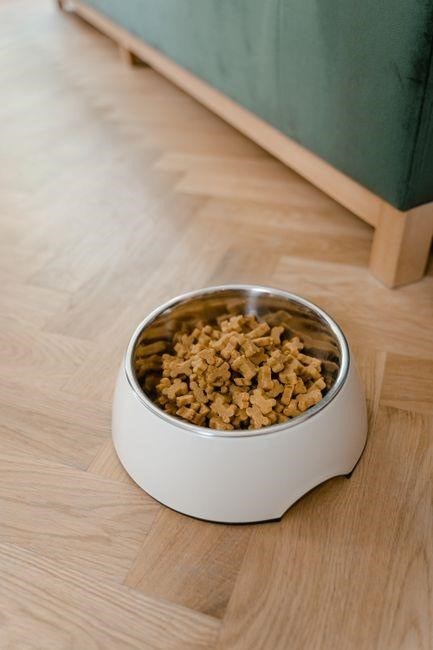
Feed 3–4 times daily, spacing meals 4–6 hours apart․ Use the weight‑based chart on the package: 1–5 lb pups get ¼ cup, 5–10 lb ½ cup, 10–20 lb ¾ cup, 20–30 lb 1 cup, 30–40 lb 1¼ cups․ Adjust for activity and growth․ Feed twice a day for 2‑month olds, then three times for 3‑month olds․ Monitor weight weekly
Daily Feed Amounts by Weight
Use the weight‑based chart on the package to calculate the daily portion․ For pups 1–5 lb, feed ¼ cup per meal, 3–4 meals a day․ For 5–10 lb, ½ cup per meal․ For 10–20 lb, ¾ cup per meal․ For 20–30 lb, 1 cup per meal․ For 30–40 lb, 1¼ cups per meal․ Adjust portions if the pup is highly active or sedentary․ Monitor weight weekly and tweak the amount by 10 % increments․ Always keep fresh water available․ If the puppy shows signs of over‑eating, reduce by ¼ cup; if under‑eating, increase by ¼ cup․ Follow the feeding schedule: 3–4 meals a day for 2‑month olds, 3 meals a day for 3‑month olds․ Use the back‑of‑packaging guide for exact measurements․ For transition to wet food, mix 1:1 dry to wet․ Keep the feeding routine consistent to avoid digestive upset․ Consult the vet if weight changes rapidly․
Remember that every pup is unique; adjust portions based on body condition score, energy level, and growth rate․ If the puppy is a large breed, consider slightly higher protein content and monitor for joint health․ For small breeds, keep the ratio of calories to protein balanced to prevent rapid growth․ Always read the ingredient list for any allergens and consult your veterinarian before making significant changes․
Remember to record each meal in a feeding log to track intake and weight changes․ If the puppy’s body condition score is too high, reduce portions by 5 % and increase exercise․ If too low, add 5 % and consider a higher‑protein formula․ Consistency is key for healthy growth․
Stay consistent
Transitioning from Kibble to Wet Food
When your pup is ready to switch, start by mixing ¼ of the wet formula with ¾ of the dry kibble․ Stir until the texture is uniform․ Offer the mixture at the same times you feed kibble, keeping the total daily calories unchanged․ Over 5–7 days, increase the wet portion by ¼ each day until the meal is 100 % wet․ This gradual change helps prevent digestive upset and allows the puppy’s gut to adjust to the higher moisture content․ Monitor for any signs of intolerance, such as vomiting or diarrhea, and pause the transition if needed․ Once fully wet, adjust the portion size to match the daily calorie recommendation on the package․ Keep fresh water available at all times, as wet food increases hydration needs․ If the puppy prefers a certain flavor, stick with it to encourage appetite․ Finally, record the transition progress in a feeding log to track weight and behavior changes․
Puppies may need extra protein during the wet‑food phase, so choose a formula that lists real meat as the first ingredient․ Monitor stool consistency; a smooth, well‑formed stool indicates good digestion․ If the pup shows loose stools, reduce the wet portion by ¼ cup and re‑introduce kibble gradually․ Keep the feeding times consistent, ideally 8 am and 6 pm, to maintain routine․ Use a small measuring cup to ensure portions remain accurate, as wet food is denser․ If the puppy’s weight plateaus, consider a higher‑energy dry mix․ Always consult your veterinarian before making major changes․ Remember to keep the food fresh daily!
Monitoring Growth and Adjusting Diet
Track weight weekly, compare to breed charts, and adjust portions by 10‑15% if weight gain stalls․ Increase protein during rapid growth, reduce calories if gaining too fast․ Use Harringtons growth guide for precise adjustments․ Check vet for guidance․ Daily․!
Weight Gain Milestones
Monitoring a puppy’s weight progression is essential for ensuring healthy development․ A reliable method is to record the pup’s weight at the start of each month and compare it to breed‑specific growth charts available on the Harringtons website․ For small breeds, a healthy weekly gain is roughly 0․5–1․0 lb (0․23–0․45 kg) during the first three months, tapering to 0․2–0․4 lb (0․09–0․18 kg) thereafter․ Medium breeds typically gain 1․0–1․5 lb (0․45–0․68 kg) per week in the first 90 days, then about 0․4–0․6 lb (0․18–0․27 kg) each week until 6 months․ Large breeds may add 1․5–2․0 lb (0․68–0․91 kg) weekly for the initial 12 weeks, followed by a gradual decline to 0․6–0․8 lb (0․27–0․36 kg) per week until 12 months․ If a puppy’s weight gain falls below these ranges, consider increasing protein and calorie density by adding a small amount of Harringtons wet food or a high‑protein topper․ Conversely, if the pup exceeds the expected gains, reduce portion sizes or switch to a lower‑calorie formula․ Regular vet check‑ups help confirm that growth is on track and that the diet supports optimal bone and muscle development․ Adjust feeding schedules accordingly, and always use the feeding guide on the back of the packaging for precise measurements․ Consistent monitoring ensures a healthy, strong puppy ready for adulthood․ Remember that every pup is unique; consult your vet for personalized advice․ Use the feeding guide for portioning exactly daily․
Signs of Over‑or Under‑Eating
Over‑eating signs: excessive weight gain, a noticeably round belly, difficulty moving, frequent lethargy, and a dull coat․ Puppies may also show a constant desire to eat, leaving food untouched but still wanting more․ Under‑eating signs include a thin or flat profile, low energy, slow growth, and a dull, dry coat․ Persistent vomiting or diarrhea can also indicate that the puppy is not receiving enough nutrients․ If the pup’s weight plateaus or drops, check the portion size and feeding frequency․ Adjust the diet by adding a small amount of Harringtons wet food or a protein supplement for under‑eating, and reduce the kibble amount or switch to a lower‑calorie formula for over‑eating․ Regular veterinary check‑ups will confirm whether the puppy’s growth curve aligns with breed‑specific milestones․ Consistent monitoring and timely adjustments help maintain healthy body condition and prevent future health issues․ Use the feeding guide on the back of the packaging for accurate measurements and consult your vet for personalized advice․ When adjusting portions, always weigh the kibble using a digital scale and record the exact grams; this precision helps track caloric intake and prevents accidental over‑feeding․ Additionally, observe the pup’s behavior after meals—if it remains alert and playful, the diet is likely balanced; if it shows signs of lethargy or bloating, consider reducing the amount or switching to a formula with lower fat content․ Finally, keep a feeding log and revisit it monthly; this habit not only aids in spotting trends but also provides valuable data for your veterinarian during routine check‑ups for your pet’s health․!