Manual camper awnings offer a simple, cost-effective way to enhance your outdoor experience, providing shade and shelter during camping adventures.
These awnings, relying on hand operation, are a popular choice for campers seeking reliable protection from the elements without the complexity of powered systems.
What is a Manual Camper Awning?
A manual camper awning is a retractable shelter extending from the side of a recreational vehicle (RV) or camper, operated entirely by physical effort – no electricity is needed! Unlike powered options, these awnings utilize a winding mechanism, typically a pole or handle, to extend and retract the fabric canopy.
Essentially, it’s a fabric roof supported by arms, creating a shaded outdoor living space. They are designed for straightforward setup and takedown, offering a convenient solution for creating comfortable campsites. Manual awnings are a classic choice, valued for their simplicity and dependability.
Benefits of Using a Manual Awning
Manual camper awnings deliver numerous advantages for outdoor enthusiasts. They provide essential shade, reducing heat and protecting against harmful UV rays, making campsites more comfortable. Awnings also offer shelter from light rain, extending usable outdoor space regardless of weather.
Furthermore, manual awnings are generally more affordable and require less maintenance than automatic versions. Their simple design contributes to greater reliability, and they don’t rely on a power source, ideal for off-grid camping. Enjoy expanded living areas and enhanced campsite enjoyment!
Types of Manual Camper Awnings
Manual camper awnings primarily fall into three categories: roll-out, box, and caravan awnings, each offering unique features and installation methods for varied camping needs.
Roll-Out Awnings
Roll-out awnings are arguably the most common type of manual camper awning, celebrated for their straightforward design and ease of use. Typically, they consist of a fabric sheet wound around a spring-loaded roller, housed within a durable casing.
To deploy, the awning is simply unrolled and supported by adjustable poles or arms; These awnings are lightweight and relatively inexpensive, making them an excellent entry point for campers. However, they generally offer less wind resistance compared to other types and may require more frequent adjustments in breezy conditions. Their simplicity makes them a favorite among casual campers.
Box Awnings
Box awnings represent a step up in sophistication from roll-out models, offering enhanced durability and stability. These awnings are fully enclosed within a protective cassette or “box” when retracted, shielding the fabric from the elements and extending its lifespan.
Operation involves extending the awning via a winding mechanism, with integrated arms providing support. Box awnings generally offer better wind resistance due to their more robust construction and enclosed design. While slightly heavier and more expensive than roll-out options, they provide a premium experience for frequent campers.
Caravan Awnings (Specifically Manual)
Manual caravan awnings are designed for larger, towable travel trailers and offer a more substantial shelter solution. Unlike simpler camper awnings, these often feature a fuller enclosure, creating an almost room-like extension to your caravan.
Installation typically involves threading a pole into a designated rail on the caravan and securing it with pegs and guy lines. Manual operation extends the awning, providing ample covered space for relaxing or dining. They are ideal for longer stays and offer superior protection from weather conditions.
Components of a Manual Camper Awning
Manual camper awnings consist of durable fabric, supportive arms, a winding mechanism for easy extension, and essential pegs & guy lines for secure anchoring;
Awning Fabric
Awning fabric is a crucial element, directly impacting durability and weather resistance. Commonly, polyester and acrylic materials are utilized, offering varying degrees of UV protection and waterproofing.
Polyester is known for its strength and affordability, while acrylic provides superior fade resistance and a softer texture. Vinyl-coated polyester offers enhanced waterproofing, ideal for harsher climates. The fabric’s denier (thread count) indicates its thickness and robustness; higher denier fabrics are more durable.
Consider the weight of the fabric, as heavier materials can withstand stronger winds but may be more challenging to manage. Proper fabric care, including regular cleaning, extends the awning’s lifespan.
Awning Arms
Awning arms are responsible for supporting the fabric and enabling extension and retraction. Manual awnings typically feature either rafter arms or telescopic arms.
Rafter arms provide robust support, often utilizing a series of hinged sections for adjustability. Telescopic arms, on the other hand, collapse and extend smoothly, offering a more streamlined appearance. The material of the arms – often aluminum or steel – impacts their weight and strength.
Look for arms with secure locking mechanisms to prevent accidental collapse and ensure stability in windy conditions. Regular inspection and lubrication are vital for smooth operation.
Winding Mechanism
The winding mechanism is the heart of a manual camper awning, allowing users to effortlessly extend and retract the fabric canopy. Typically, this involves a geared handle connected to a spring-loaded roller.
Turning the handle winds or unwinds the fabric around the roller, controlling the awning’s position. The gear ratio determines the effort required – a higher ratio means less force needed.
Regular lubrication of the winding mechanism is crucial for smooth operation and preventing corrosion. Inspect the handle and gears for wear and tear, ensuring secure functionality.
Pegs and Guy Lines
Pegs and guy lines are essential for securing a manual camper awning, providing stability against wind and preventing unwanted movement. Robust pegs, designed for various ground conditions, anchor the guy lines to the campsite.
Guy lines, typically made of strong nylon cord, connect the awning arms to the pegs, creating tension and support. Proper tensioning is vital; lines should be taut but not overly stressed.
Regularly check guy line security, especially in changing weather, and use reflective lines to avoid tripping hazards during nighttime hours.
Installation of a Manual Camper Awning
Installing a manual awning involves careful preparation, secure attachment to your camper, smooth extension, and firm anchoring with guy lines for stability.
Preparing the Campsite
Before installing your manual camper awning, selecting a suitable campsite is crucial. Ensure the ground is relatively level to prevent awning instability and strain on the mounting points. Clear the area of any rocks, branches, or debris that could damage the awning fabric or impede its operation.
Consider the prevailing wind direction; positioning the awning to minimize wind exposure will enhance its stability and longevity. Finally, assess the space available – you’ll need enough room to fully extend the awning and comfortably utilize the sheltered area it creates. Proper preparation ensures a safe and enjoyable experience.
Attaching the Awning to the Camper
Securely attaching the manual camper awning is paramount for safety and functionality. Most awnings utilize a rail system or mounting brackets specifically designed for your camper model. Carefully slide the awning into the rail, ensuring it’s fully seated and locked into place.
If using brackets, tighten all bolts and screws firmly, but avoid over-tightening, which could damage the camper’s structure. Double-check all connections before extending the awning to guarantee a stable and reliable attachment. A solid connection prevents accidents.
Extending the Awning
Extending a manual camper awning typically involves a winding mechanism or telescopic poles. Slowly and steadily turn the winding handle to release the awning fabric, observing its even deployment. If poles are used, carefully unlock and extend each section, ensuring they are securely locked into position.
Avoid sudden jerks or excessive force, as this could damage the awning arms or fabric. Maintain a consistent speed throughout the extension process, and periodically check for any obstructions or snags.
Securing the Awning with Guy Lines
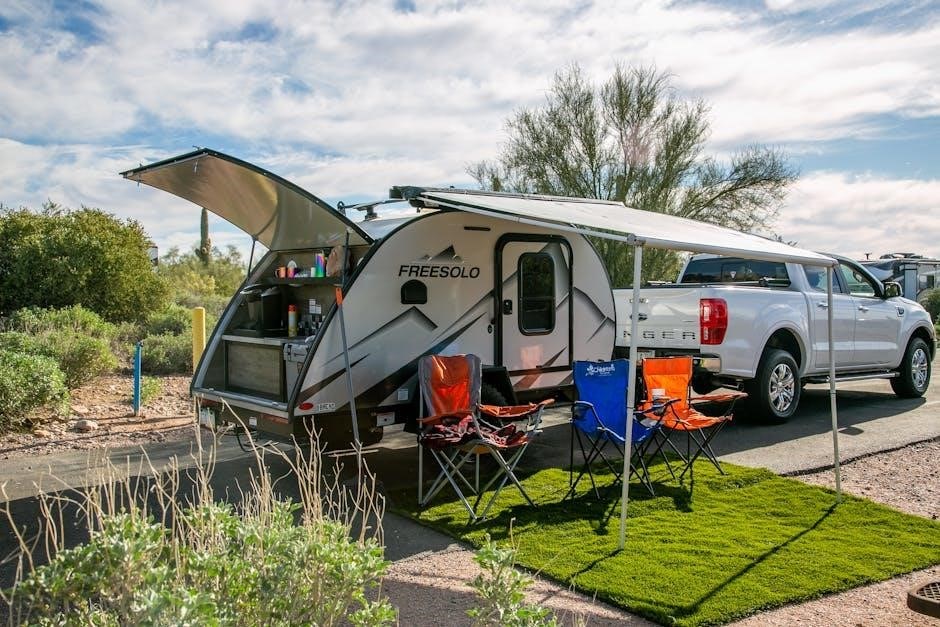
Securing your manual camper awning with guy lines is crucial for stability, especially in windy conditions. Attach the guy lines to the designated points on the awning fabric and firmly peg them into the ground at a 45-degree angle.
Ensure the lines are taut but not overly strained, allowing for some flexibility. Regularly check the tension of the guy lines, adjusting as needed to maintain a secure and stable setup. Proper pegging prevents flapping and potential damage.
Maintenance and Care
Regular maintenance extends the life of your manual camper awning; cleaning, lubrication, and damage checks are essential for optimal performance and longevity.
Cleaning the Awning Fabric
Maintaining a clean awning fabric is crucial for its longevity and appearance. Regularly remove dirt, leaves, and bird droppings with a soft brush and mild soapy water. Avoid harsh chemicals or abrasive cleaners, as these can damage the material’s coating and cause fading.
For stubborn stains, a specialized awning cleaner might be necessary, always testing in an inconspicuous area first. After cleaning, thoroughly rinse with clean water and allow the fabric to air dry completely before retracting the awning. Proper drying prevents mildew growth, ensuring a fresh and functional shelter for future camping trips.
Lubricating the Winding Mechanism
Regular lubrication of the winding mechanism ensures smooth operation and prevents corrosion. Apply a silicone-based lubricant to all moving parts, including the winding handle, gears, and internal components. Avoid using oil-based lubricants, as they can attract dirt and grime, leading to increased friction and potential damage.
After applying the lubricant, operate the winding mechanism several times to distribute it evenly. This simple maintenance step significantly extends the lifespan of your manual awning, making extending and retracting it effortless for years to come.
Checking for Damage
Routine inspection for damage is crucial for maintaining the safety and functionality of your manual camper awning. Carefully examine the awning fabric for tears, holes, or signs of wear and fading. Inspect the awning arms for bends, cracks, or loose connections.
Also, check the winding mechanism for any signs of corrosion or damage. Address any issues promptly to prevent them from escalating into more significant problems, ensuring a secure and enjoyable camping experience.
Storing the Awning Properly
Correct storage significantly extends the life of your manual camper awning. Before storing, ensure the awning is completely dry to prevent mildew and mold growth. Gently clean the fabric to remove dirt and debris.
Loosely roll or fold the awning, avoiding tight creases that can weaken the material. Store it in a cool, dry place, protected from direct sunlight and extreme temperatures. A dedicated awning bag is highly recommended for optimal protection during storage.

Troubleshooting Common Issues
Addressing problems with your manual awning ensures continued enjoyment. Common issues include extension difficulties, arm operation challenges, and fabric damage requiring prompt attention.
Awning Won’t Extend
If your manual camper awning refuses to extend, begin by checking the winding mechanism for obstructions or damage. Ensure the locking arms are fully released, as they prevent extension when engaged. Inspect the awning arms themselves; are they bent or jammed?
Sometimes, a build-up of dirt or corrosion can hinder smooth operation. Thoroughly clean and lubricate all moving parts. If the fabric seems stuck within the casing, gently try to coax it out, avoiding forceful pulling which could cause tears. A complete inspection of the entire system is crucial for identifying the root cause.
Awning Arms are Difficult to Operate
Struggling with stiff awning arms? This often indicates a lack of lubrication. Apply a silicone-based lubricant to all pivot points and sliding sections of the arms. Check for any bending or damage to the arms themselves, which could impede movement.
Ensure nothing is obstructing their path – branches, guy lines, or even the camper’s structure. If the arms are still difficult to move, carefully inspect the winding mechanism; excessive tension can translate to resistance in the arms. Regular maintenance prevents this issue!
Fabric is Torn or Damaged
Discovering a tear in your awning fabric? Small tears can often be repaired with a specialized awning repair tape, readily available at camping supply stores. Larger tears may require professional patching or replacement of the fabric panel.
Inspect the fabric regularly for signs of wear and tear, especially after exposure to harsh weather. Promptly address any damage to prevent it from worsening. Consider a fabric protector spray to enhance durability and resistance to UV rays and water.
Guy Lines Keep Coming Loose
Constantly re-tightening guy lines? Ensure your pegs are securely anchored in the ground, using larger or more robust pegs if the soil is soft or sandy. Consider using guy line tensioners to easily adjust and maintain optimal tension.
Check the loops on your awning and the attachment points on the guy lines for wear. Replace any damaged components. Regularly inspect the lines, especially after windy conditions, and re-stake as needed for continued stability.
Choosing the Right Manual Awning
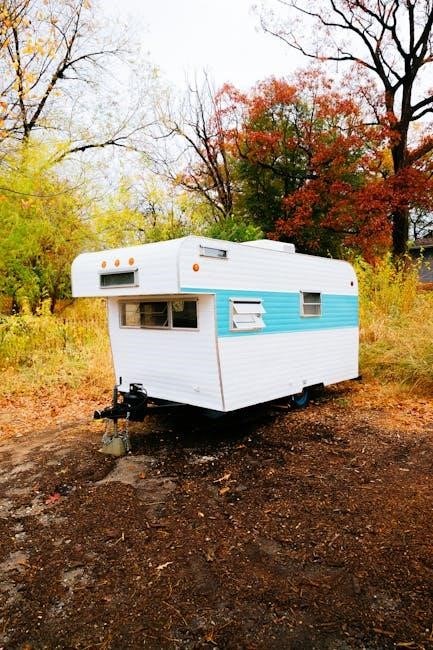
Selecting the ideal manual awning involves considering size, fabric, camper compatibility, and your budget to ensure optimal shade and protection during your travels.
Awning Size and Length
Determining the correct awning size is crucial for adequate coverage. Measure the length of your camper’s sidewall where the awning will attach; this dictates the maximum awning length.
Consider the desired amount of shaded area – a longer awning provides more coverage, ideal for larger campsites or extended lounging.
Ensure sufficient headroom when extended, and account for potential obstructions like trees or campsite features. A properly sized awning enhances comfort and usability, maximizing your outdoor enjoyment.
Fabric Material Considerations
Awning fabric choices significantly impact durability and weather resistance. Polyester is a common, affordable option, offering good UV protection and water resistance, though less robust than other materials.
Acrylic fabrics provide superior fade resistance and are breathable, reducing condensation. Vinyl-coated polyester offers excellent waterproofing but can be heavier and less aesthetically pleasing.
Consider the climate you’ll be camping in; heavier fabrics withstand stronger winds, while breathable options are better suited for humid environments.
Compatibility with Your Camper
Ensuring compatibility is crucial when selecting a manual camper awning. Measure the length of the camper’s sidewall where the awning will attach – this dictates the awning’s maximum length.
Check the awning’s mounting system; some require a specific rail or channel, while others use clamps or straps. Verify the awning’s weight capacity doesn’t exceed your camper’s roof load limit.
Consider the camper’s height, as taller vehicles may need longer awning legs for adequate headroom. Proper fit guarantees safe and effective operation.
Budget and Price Range
Manual camper awnings span a wide price range, typically from $100 to $500, depending on size, material quality, and features. Simpler roll-out models are generally the most affordable option.
Box awnings, offering greater durability and retraction capabilities, fall in the mid-range. Caravan awnings, often larger and more robust, represent the higher end of the spectrum;
Factor in additional costs for accessories like guy lines, pegs, and potentially professional installation. Balancing budget with desired features is key to a satisfying purchase.
Advanced Features & Accessories
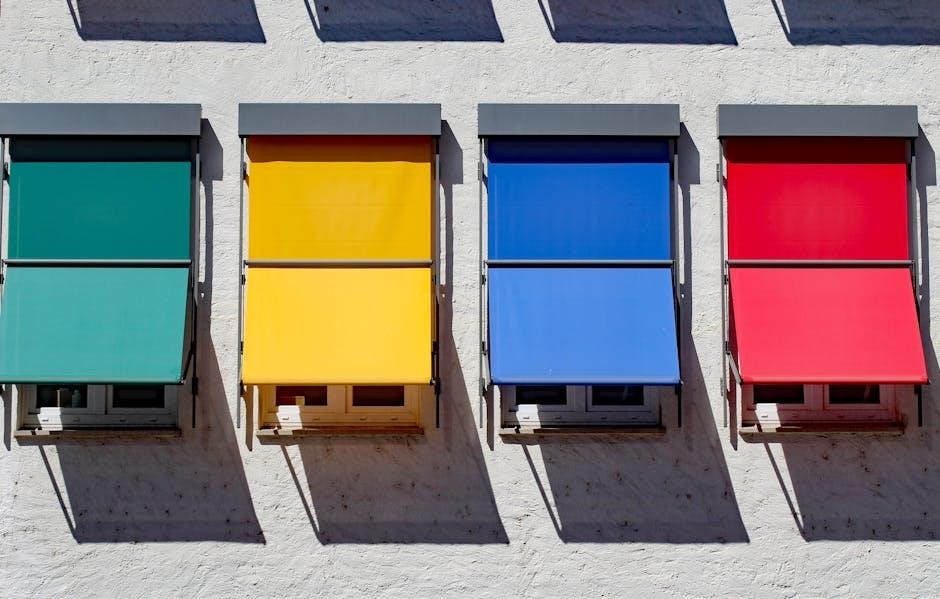
Enhance your awning with integrated lights, side panels for added privacy, or verandas extending living space – creating a comfortable campsite haven.
Awning Lights
Awning lights dramatically improve the usability of your manual camper awning after dark, extending your enjoyment of the outdoors well into the evening. Available in various styles – LED strip lights, spotlights, or even decorative fairy lights – they provide ample illumination for cooking, socializing, or simply relaxing.
Many options are USB-powered, battery-operated, or can be wired into your camper’s 12V system. Consider lights with dimming features to adjust the brightness and conserve power. Properly installed awning lights create a welcoming and safe atmosphere around your campsite, enhancing the overall camping experience.
Side Panels and Extensions
Side panels and extensions significantly increase the versatility of your manual camper awning, transforming it into a more enclosed and weatherproof space. These accessories offer protection from wind, rain, and sun, creating a comfortable living area. Panels are typically made from durable, waterproof materials and attach easily to the awning frame.
Extensions expand the covered area, providing extra space for cooking, dining, or storage. Options range from full enclosures to simple mesh screens, catering to different weather conditions and privacy needs. They greatly enhance the functionality of your awning.
Verandas and Canopies
Verandas and canopies represent a more substantial extension of your manual camper awning, creating a larger, semi-permanent outdoor living space. These structures often feature a more robust frame and heavier-duty fabric for increased stability and weather resistance. They provide a significant increase in covered area, ideal for extended stays.
Canopies offer a simpler, often open-sided, extension, while verandas typically include enclosed sides for greater protection. Both options enhance the usability of your campsite, offering a comfortable retreat from the elements and a dedicated outdoor area.
Wind-Out Awnings (Manual Operation)
Wind-out awnings, even with manual operation, offer a sophisticated and convenient solution for camper shade. Unlike roll-out types, these awnings extend horizontally using a winding mechanism, often featuring adjustable pitch for optimal sun protection. They retract neatly into a protective casing when not in use, streamlining the camper’s profile.
Manual wind-out models provide the benefits of this design without requiring a power source, offering a reliable and durable alternative to automatic systems. They generally provide superior wind resistance compared to simpler awning styles.
Safety Considerations
Prioritize safety when using manual camper awnings; secure them against wind, avoid overextension, and regularly inspect for wear and tear to prevent accidents.
Wind Resistance and Stability
Maintaining stability is crucial with manual camper awnings, as they are susceptible to wind damage. Always fully extend and securely peg down guy lines, utilizing all provided points.
Consider the awning’s wind rating – manufacturers often specify maximum wind speeds. Never leave an awning unattended in windy conditions, and be prepared to retract it quickly if the weather deteriorates. Proper pegging techniques, using robust pegs appropriate for the ground conditions, are essential for preventing uplift and ensuring the awning remains firmly anchored. Regularly inspect guy lines for tension and adjust as needed.
Proper Pegging Techniques
Securely anchoring your manual camper awning begins with selecting the right pegs for the terrain. Rocky ground demands robust steel pegs, while softer soil benefits from wider, plastic options.
Drive pegs at a 45-degree angle, pointing away from the awning, to maximize holding power. Ensure sufficient peg depth, leaving minimal exposed length. Utilize all designated pegging points, and tension guy lines evenly to distribute stress. Regularly check peg security, especially after changes in weather, and re-peg if necessary for optimal stability.
Avoiding Overextension
Overextending a manual camper awning significantly increases the risk of damage, particularly during windy conditions. Always adhere to the manufacturer’s recommended extension limit, typically indicated by markings on the awning arms.
Avoid fully extending the awning in strong winds; retract it partially to reduce the surface area exposed to gusts. Regularly inspect the winding mechanism and arms for signs of strain. Prioritize safety by understanding your awning’s limitations and exercising caution during setup and use.
Regular Inspection for Wear and Tear
Consistent inspection is crucial for maintaining a manual camper awning’s longevity and safety. Regularly check the awning fabric for rips, tears, or fading, as these compromise its weather resistance. Examine the awning arms for bends, corrosion, or loose joints.
Inspect the winding mechanism for smooth operation and lubricate as needed. Verify that all pegs and guy lines are in good condition, replacing any that are damaged or worn. Proactive checks prevent minor issues from escalating into costly repairs.
Manual vs. Automatic Awnings
Manual awnings are generally more affordable and reliable, though require physical effort to operate, unlike automatic versions with their power demands.
Cost Comparison
Manual camper awnings represent a significantly more budget-friendly option compared to their automatic counterparts. Typically, a manual awning can range from $150 to $600, depending on size, material quality, and brand reputation. Automatic awnings, incorporating motors and sensors, often start around $700 and can easily exceed $1500 or more.
The price difference stems from the simplified mechanics of manual systems – fewer components mean lower manufacturing costs. While the initial investment for an automatic awning is higher, consider potential repair costs; manual awnings generally have fewer parts to fail, leading to long-term savings.
Ease of Use
Manual camper awnings prioritize straightforward operation. Extending and retracting the awning involves a simple hand-crank or pull-down mechanism, requiring minimal effort and no electrical knowledge. This simplicity is advantageous for campers who prefer a hands-on approach or are wary of relying on electronic systems during remote adventures.
While automatic awnings offer convenience, they can be prone to malfunctions. Manual awnings, with fewer moving parts, offer reliable performance and are easily operable by most individuals, making them a user-friendly choice for all camping skill levels.
Reliability and Durability
Manual camper awnings generally boast excellent reliability due to their uncomplicated design. Fewer mechanical components translate to fewer potential points of failure compared to automatic models. Constructed with robust materials like durable fabrics and sturdy frames, these awnings withstand regular use and exposure to the elements.
Their inherent simplicity contributes to long-term durability, requiring less maintenance and offering consistent performance over many camping seasons. This makes them a dependable choice for campers prioritizing longevity and resilience in their outdoor gear.
Power Requirements
Manual camper awnings, by their very nature, require absolutely no external power source for operation. This is a significant advantage for campers seeking independence from electrical hookups or those venturing off-grid. Unlike automatic awnings that rely on batteries or a vehicle’s electrical system, manual models are entirely human-powered.
This eliminates concerns about battery drain, blown fuses, or the need for charging, offering a consistently functional shelter regardless of your campsite’s power availability. It’s a simple, reliable solution.